Exploring the psychology behind casino gambling
The Allure of Risk and Reward
The psychology of casino gambling is rooted in the inherent allure of risk and reward. From the moment a player enters a casino, they encounter an environment meticulously designed to amplify excitement. The bright lights, engaging sounds, and vibrant decor evoke a sense of thrill and anticipation. These sensory stimuli play a critical role in activating the brain’s reward pathways, making the prospect of winning seem even more appealing. For those looking to enhance their experience, online casino instant withdrawal options can further maximize the excitement of immediate gains, compelling individuals to continue wagering in pursuit of that exhilarating high. The atmosphere is crafted to keep players engaged, creating a cycle of anticipation and reward that is hard to resist.
Moreover, the nature of gambling itself is rooted in uncertainty, which can be incredibly enticing for many. The concept of ‘near misses’—where a player almost wins but falls short—can create a false sense of hope, encouraging further play. This psychological phenomenon illustrates how the brain often misinterprets outcomes, leading individuals to believe that they are closer to winning than they are. Such misjudgments can contribute significantly to the allure of gambling, as players convince themselves that success is just one more bet away, fostering persistence and, at times, unhealthy gambling behaviors. The unpredictability of outcomes contributes to the thrill and excitement, making players feel as though they are participating in a high-stakes game that can change at any moment.
Additionally, the social aspect of gambling cannot be overlooked. Many individuals are drawn to casinos not just for the games but for the communal experience with others. The thrill of cheering for a fellow player or engaging in conversation at the gaming tables can enhance the overall experience, creating a sense of belonging. This social reinforcement, combined with the individual desire to win, creates a compelling atmosphere that can make casino gambling hard to resist for many individuals. The shared excitement and camaraderie among players can amplify the enjoyment of the experience, making it more than just a solitary pursuit.
The Role of Cognitive Biases
Cognitive biases significantly impact how individuals perceive their chances of winning while gambling. One common bias is the gambler’s fallacy, where individuals believe that past events will influence future outcomes. For instance, a player might think that after a series of losses, a winning streak is due to happen, leading them to place larger bets in hopes of recovering their losses. This flawed logic can lead to increased financial risk, as players may chase their losses rather than adopting a more rational approach. These cognitive distortions can create a cycle of betting that is fueled by the desire to recover lost funds.
Another cognitive bias at play is the illusion of control, which occurs when individuals overestimate their ability to influence the outcome of inherently random events. Gamblers may believe that by employing specific strategies or choosing certain games, they can sway the odds in their favor. This illusion can be particularly potent in games such as poker, where skill and strategy do play a role. However, many players fail to recognize that the house always holds an edge, resulting in a persistent cycle of risky behavior fueled by misplaced confidence. This overestimation of control can lead to repeated betting and a failure to acknowledge the underlying randomness of most gambling activities.

Additionally, reinforcement schedules heavily influence gambling behavior. Casinos often employ variable-ratio reinforcement, where players receive rewards after an unpredictable number of attempts. This schedule is highly effective in maintaining engagement, as it keeps players guessing about when their next win will come. The uncertainty inherent in this approach reinforces the behavior of continued play, despite the financial risks involved. This dynamic interaction between cognitive biases and gambling strategies illustrates the complex psychological web that underpins casino gambling, as players become entrapped in a cycle of hope and expectation that often defies logical reasoning.
The Impact of Emotional States
Your emotional state can greatly impact your gambling behavior, often dictating decision-making processes. For some, gambling serves as an escape from stress, anxiety, or depression. The excitement of placing bets and the adrenaline rush of the game may temporarily alleviate negative feelings. However, reliance on gambling as a coping mechanism can lead to a cycle of dependence, where the individual becomes increasingly reliant on the thrill to manage their emotional state. This dependency can spiral into problematic gambling habits that are difficult to break, resulting in a myriad of negative consequences in one’s personal and financial life.
Conversely, positive emotions can also influence gambling behavior. Players who are in a good mood might take more risks, buoyed by feelings of confidence and euphoria. They may perceive their winning chances as more favorable, leading them to wager larger sums or engage in more games than they usually would. This emotional high can cloud judgment and lead to decisions that deviate from a player’s typical cautious behavior. Thus, understanding the relationship between emotions and gambling is crucial for anyone involved in the activity, whether for personal reflection or for developing more responsible gambling practices. The interplay between emotional states and gambling outcomes highlights the need for self-awareness in decision-making.
Furthermore, casinos exploit these emotional dynamics by creating environments that evoke excitement and positivity. Free drinks, cheerful staff, and vibrant atmospheres contribute to a heightened sense of well-being, which can further encourage players to engage in risky behavior. The interplay between casino design and emotional state underscores the importance of recognizing how feelings can influence gambling choices, often in ways that contradict rational decision-making. By understanding these emotional triggers, players can better navigate their gambling experiences and make more informed choices about their behaviors.
Addiction and its Causes
The phenomenon of gambling addiction is a significant area of interest in understanding the psychology of casino gambling. Various factors contribute to gambling addiction, including genetic predisposition, environmental influences, and psychological conditions. Some individuals may possess a genetic makeup that makes them more susceptible to addictive behaviors. When combined with environmental factors, such as peer pressure or familial gambling habits, these predispositions can lead to an increased likelihood of developing a gambling addiction. Recognizing these factors is crucial for understanding why some individuals may struggle more than others with gambling.
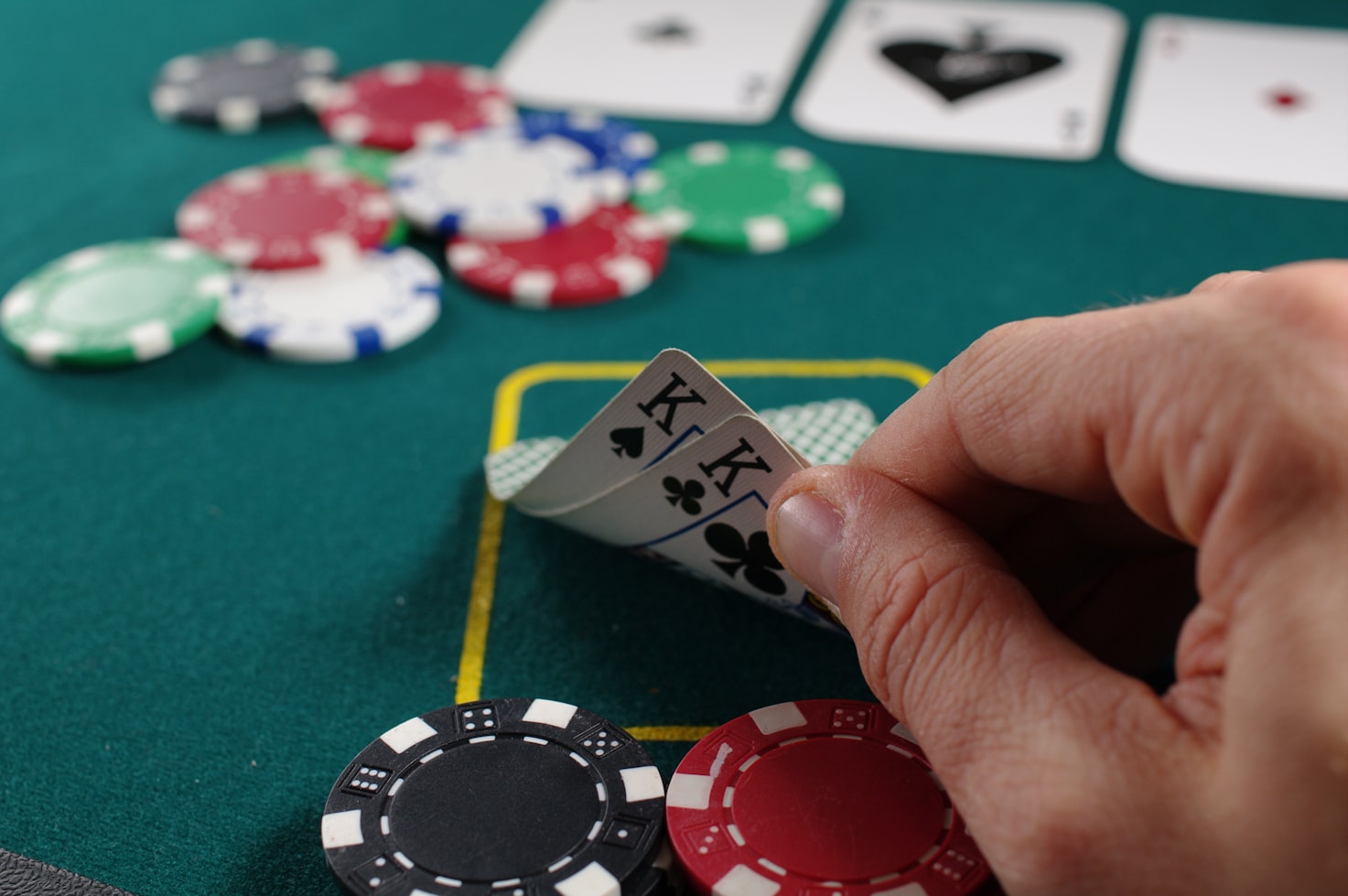
Psychological factors also play a critical role in gambling addiction. Individuals suffering from anxiety, depression, or other mental health issues may turn to gambling as a form of escapism. The temporary boost in mood that comes with winning can quickly turn into a vicious cycle of gambling to alleviate negative emotions. As the addiction deepens, players may forsake responsibilities, relationships, and financial stability for the thrill of a game. This cycle is difficult to break, emphasizing the critical need for awareness and understanding of the psychological underpinnings of gambling addiction. Awareness of these triggers can help in developing effective prevention strategies.
Interventions for gambling addiction often involve therapeutic approaches focusing on behavioral and cognitive aspects. Counseling sessions can help individuals address their underlying emotional challenges, while cognitive-behavioral therapy can target specific cognitive biases that fuel gambling behaviors. By addressing both the psychological triggers and behavioral patterns, individuals can work toward healthier relationship management with gambling, ultimately fostering recovery and a more balanced lifestyle. Support systems and rehabilitation programs are vital in providing the necessary tools for individuals seeking to overcome gambling addiction.
Resources for Responsible Gambling
In light of the psychological factors influencing casino gambling, it is essential to promote responsible gaming and provide resources for those who may be struggling. Many casinos and gaming establishments are now implementing responsible gambling programs, offering tools to help players monitor their gambling habits and maintain control. These initiatives may include self-exclusion programs, where players can voluntarily limit their access to gambling venues, and tools that allow individuals to set deposit limits. These resources aim to empower players to take charge of their gambling activities.
Education also plays a crucial role in promoting responsible gambling. Informative campaigns can increase awareness about the risks associated with gambling and the importance of recognizing errant behaviors. Comprehensive resources, including helplines and online support groups, can provide individuals in need with the guidance and encouragement necessary to seek help. By fostering a culture of responsible gambling, the industry can help mitigate the psychological risks associated with gaming. Access to information can significantly impact players’ ability to make informed decisions about their gambling habits.
Additionally, online platforms and organizations dedicated to responsible gambling can connect individuals with support networks and resources. Websites that offer guidance on recognizing gambling addiction, as well as strategies for maintaining control, are increasingly essential in this digital age. By leveraging technology to promote responsible behaviors, we can work towards a collective understanding of gambling’s psychological effects and create supportive environments for those who need it. These resources serve as vital tools for individuals looking to maintain a healthy relationship with gambling.